
Beyond the Numbers: What the 2025 Monsoon Meant for Farmers in Central India
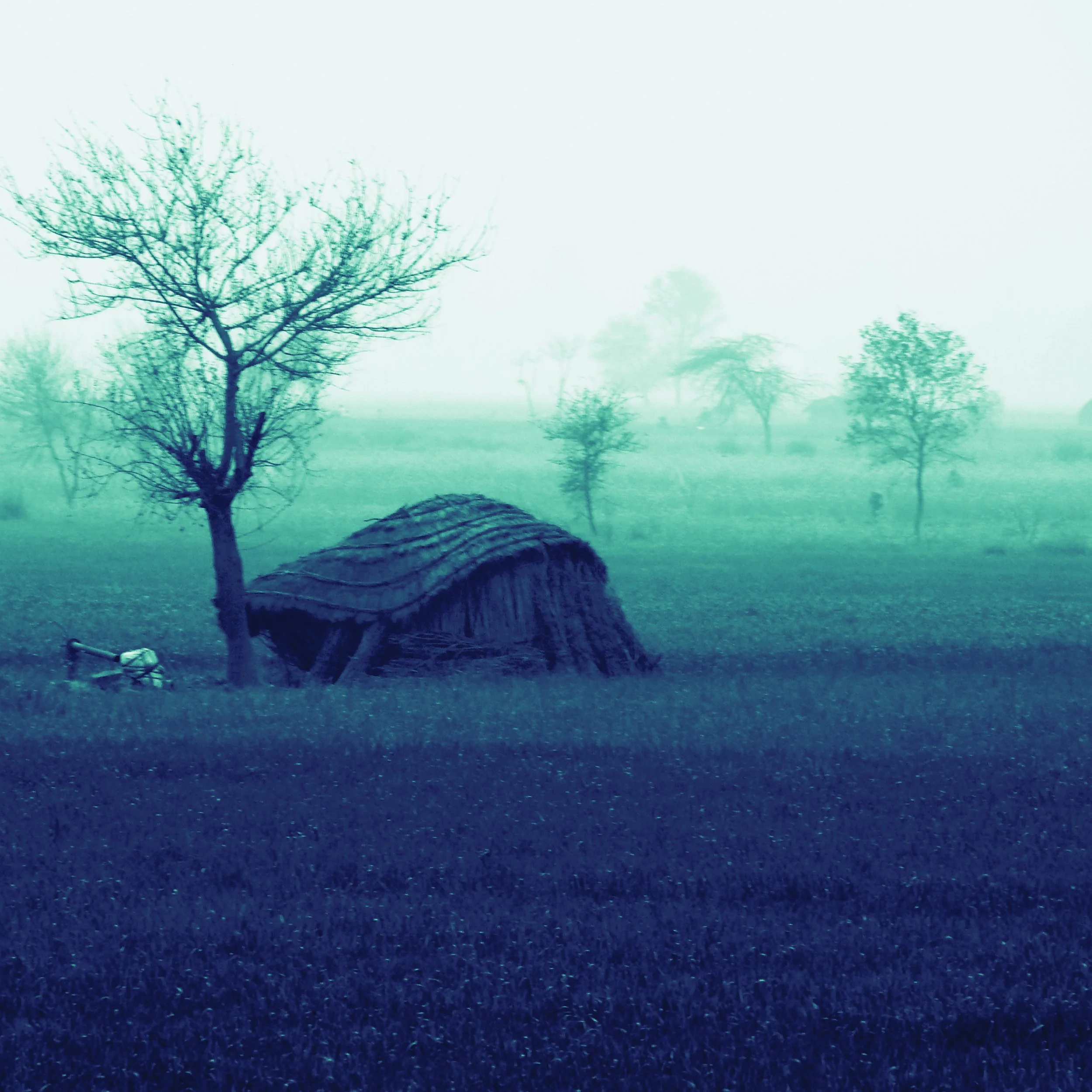
When the 2025 monsoon arrived in central India, farmers across Maharashtra and Madhya Pradesh prepared for what they hoped would be a productive growing season. The early rains in Maharashtra created opportunities for timely sowing, but the pattern that followed—heavy downpours alternating with prolonged dry spells—disrupted field preparation and crop establishment.
"This year, the rains were very untimely, so the harvest was not as good as expected," explained a farmer from Selu Amba village in Beed district, Maharashtra. His concern wasn't about whether rain fell, but when and how—the difference between a successful season and one requiring costly interventions just to reach normal yields.
When Rain Comes, But Not as Expected
In our pilot districts of Ahilyanagar, Beed, and Sambhajinagar in Maharashtra, farmers reported the monsoon beginning earlier than usual. But the early start didn't translate into the benefits farmers had hoped for. Rainfall arrived in intense bursts separated by extended dry periods, creating a stop-start pattern that disrupted field preparation and forced many farmers to re-sow their crops multiple times.
The experience in Madhya Pradesh's Seoni district differed. Most farmers there reported the monsoon beginning on time or slightly late, with more consistent rainfall distribution overall. Yet even with better timing, farmers faced their own set of challenges. The inconsistent rainfall created conditions favorable for pest and disease outbreaks, which became the primary concern across Seoni district.
The Hidden Costs of Managing Through Variability
What emerged most clearly from a quick pilot survey among 545 farmers across four districts in both states wasn't primarily about rainfall amounts—it was about the cascade of operational challenges and economic pressures that followed.
Pest and disease outbreaks dominated farmer concerns. Across all surveyed districts, pesticide application was the most common coping strategy, with farmers frequently mentioning the need for guidance on spraying and pesticide application. The fluctuating humidity and temperature created by alternating wet and dry periods provided ideal conditions for pest proliferation.
Managing these threats came at a price. When asked about their primary concerns, 60-70% of farmers across both states pointed to rising input costs—seeds, fertilizers, and especially pesticides—as their greatest challenge. The variable rainfall patterns meant farmers had to invest in multiple re-sowings, increased pest control measures, and additional inputs just to maintain crop growth.
Limited access to credit, difficulties navigating crop insurance claims, and uncertain market prices compounded the challenges of an already demanding season. This reveals a crucial insight: farmers can achieve reasonable crop production while still facing significant pressure on their incomes. For smallholder farmers operating on thin margins, the effort and expense required to manage through variable conditions can significantly erode profitability even when final yields appear normal.
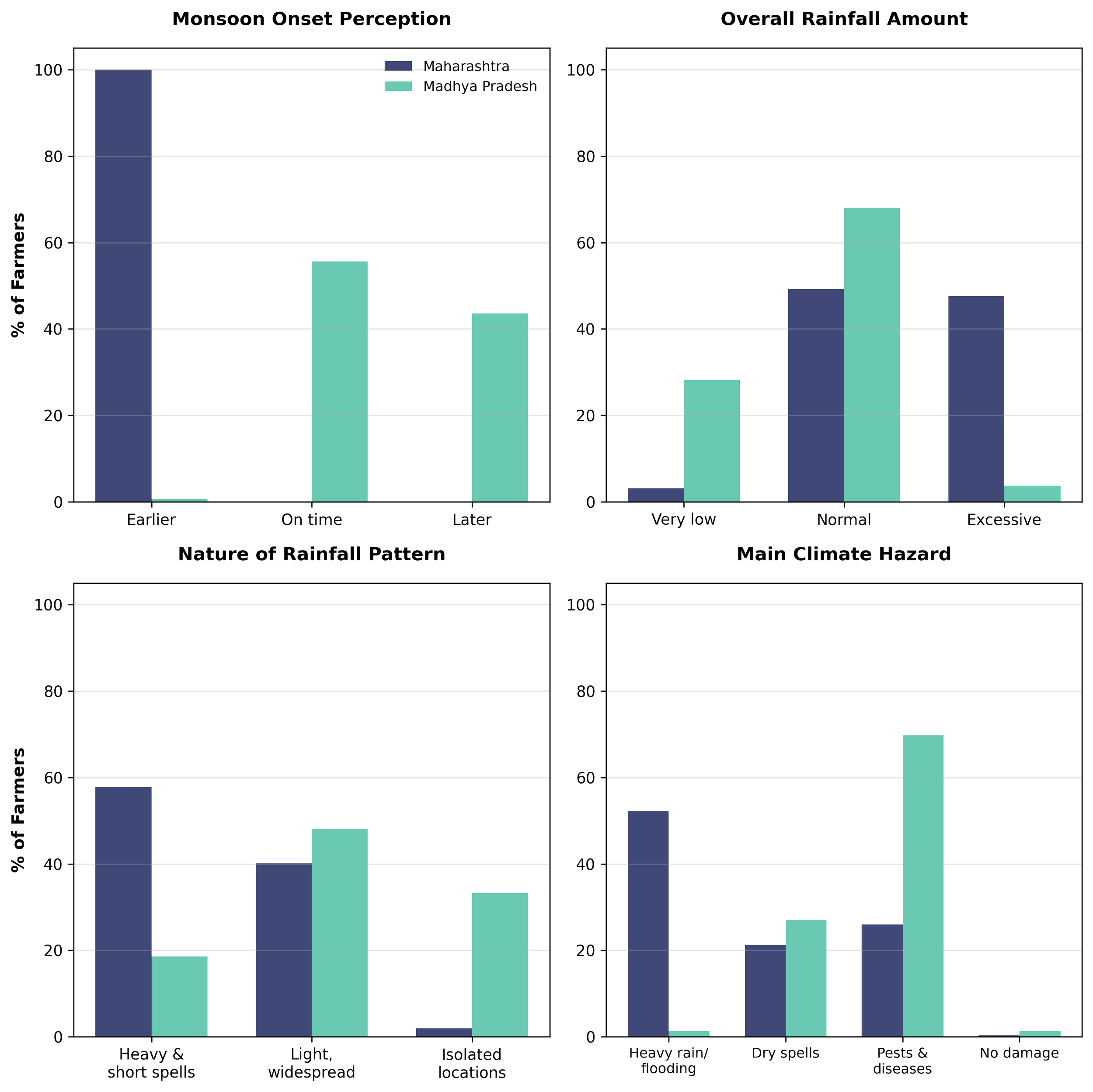
Figure 1 Farmer’s perception of this year’s monsoon onset, rainfall amount and pattern, and the main climate hazard
Triangulating Knowledge: Climate Data, Models, and Farmer Experience
This pilot survey, while modest in scale, provided valuable opportunities to triangulate different sources of knowledge about the 2025 monsoon season. By combining farmer experiences with climate data and crop modeling, a more complete picture emerged.
Our digital twin of the global food system—which integrates real-time climate data with crop modeling—confirmed the regional patterns farmers described. Maharashtra experienced particularly wet conditions in May and October, with the early monsoon onset that farmers reported. August brought extreme rainfall to some areas. Madhya Pradesh saw concentrated July rainfall but more stable overall distribution through the season.
Both regions showed above-average seasonal precipitation totals compared to a 15-year baseline—Maharashtra notably so. By the time crops were nearing harvest, this October, our model projected a +9% production anomaly for the monsoon season across India overall. This is quite a significant anomaly on a national scale for India's agriculture, partly reflecting the favorable weather conditions and partly continuing trends in area expansion and yield improvements needed to keep pace with India's growing population. The projection suggests that despite the management difficulties farmers faced, adequate seasonal moisture ultimately benefitted crop development. The upcoming harvest data will reveal whether this production outlook materializes—and crucially, at what cost to farmers.
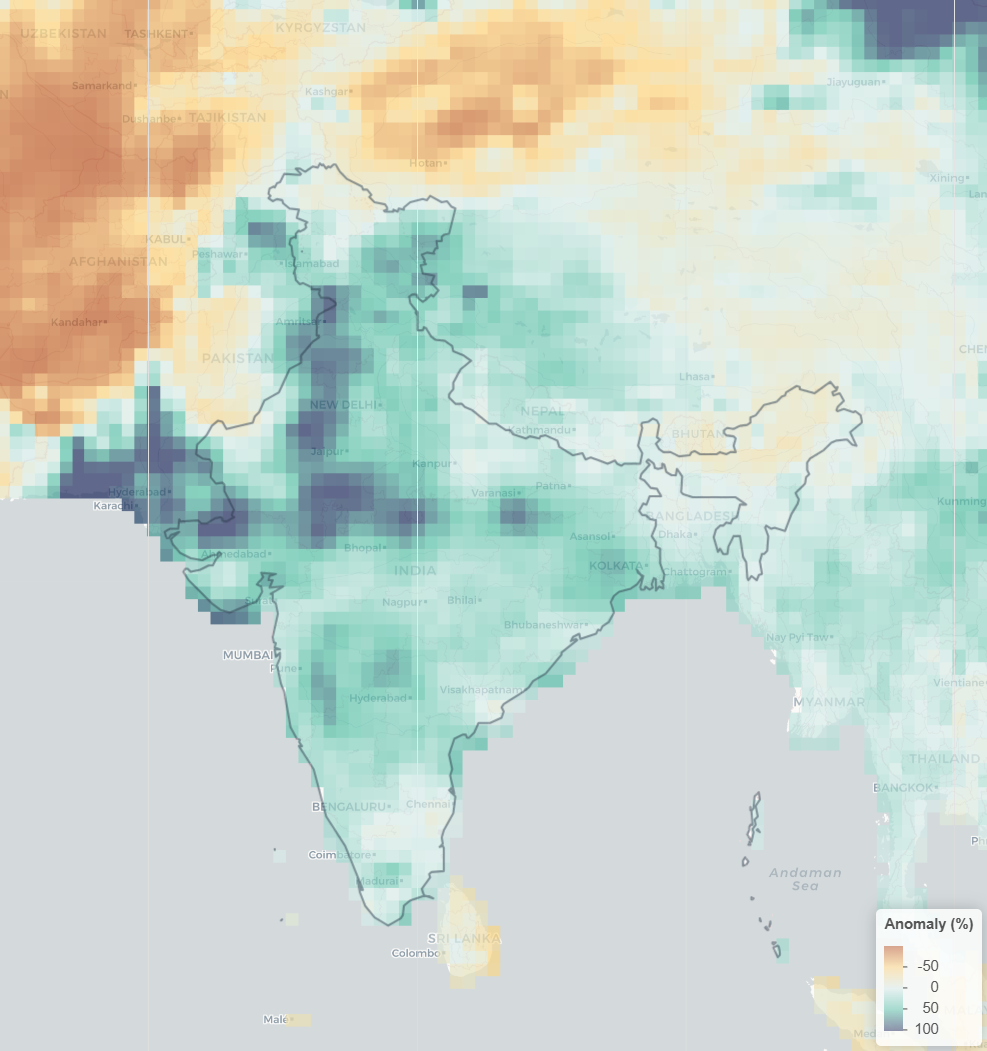
Figure 2 Precipitation anomaly over the 2025 monsoon season (May-October 2025). Source: ERA5 ECMWF
What Farmers Said They Need
The pilot survey revealed significant gaps between the challenges farmers face and the support available to them. Awareness of, uptake, and usage of weather forecasts differed between cropping systems and states. Among Maharashtra farmers, 78% had heard of IMD's five-day forecasts, and 43% reported actively using them. Confidence in forecasts was high: 95% expressed at least some confidence. In Madhya Pradesh, only 45% of farmers had heard of IMD forecasts, and just 7% reported using them. Those who used forecasts we more likely to apply coping measures. However, fewer than 10% of surveyed farmers reported receiving formal training on coping strategies or improved crop varieties, despite recurring monsoon-related challenges.
Farmers emphasized several priorities. Many requested training on pesticide application and integrated pest management—practical knowledge for responding to ongoing threats. They also mentioned needing advice on improved seeds, fertilizers, and disaster-related risk management methods.
Economic and financial support appeared just as frequently as agricultural concerns. Farmers emphasized needing help with financial assistance, market information and crop insurance, and many requested training not just on farming practices but on insurance schemes, credit access, and financial planning—reinforcing that they think in terms of net returns, not just production volumes.
What Uncharted Waters Does
Uncharted Waters monitors climate volatility and its impacts in real-time, tracking how weather events affect crop production and how water resources buffer these impacts, while analyzing how disruptions cascade through global food supply chains. Our digital twin of the global food system integrates process-based crop modeling with machine learning to provide monthly updates on weather events, water availability, recent harvests, and expected production.
We don't just produce data—we work to ensure it connects to decision-making at all levels. In India, we partner with WOTR to integrate climate and crop intelligence into advisory services. By monitoring supply, demand, stocks and trade flows in real-time, we deliver market insights before official statistics become available—helping organizations from local NGOs supporting farmers to businesses managing agricultural commodity risk make informed decisions faster.
This pilot project in Maharashtra and Madhya Pradesh, supported by the Kyeema Foundation and Palladium, represents our commitment to evidence-based approaches that triangulate multiple sources of knowledge. While the survey's geographic scope was limited—four districts across two states—it provided valuable insight into how climate data, model projections, and farmer experiences relate to each other. We're validating our model projections against actual harvest outcomes, learning how climate information translates into on-the-ground realities, and refining how different types of knowledge work together to strengthen decision-making.
As extreme weather events occur more frequently and their impacts spread wider, timely insight on current production, expected supply, and farmer conditions becomes crucial for anticipating risks and managing uncertainty effectively. We'll continue monitoring the 2025-26 agricultural year as harvest data becomes available, working with WOTR to understand what this season ultimately meant for farmers—and what it teaches us about building more resilient food systems through integrated, evidence-based approaches.
Uncharted Waters works with Wageningen Environmental Research and WOTR to assess climate impacts on water and food systems. This analysis was conducted in partnership with WOTR's farmer network in Maharashtra and Madhya Pradesh, with support from the Kyeema Foundation and Palladium.
This analysis represents our current understanding and predictions may change as new information becomes available.
Maps in this blog follow the Indian government guidelines. The designations employed and the presentation of these materials do not imply the expression of any opinion whatsoever on the part of Uncharted Waters concerning the legal status of any country, territory or area or of its authorities, or concerning the delimitation of its frontiers or boundaries.